
Your cart is currently empty!
The allure of risk-taking
The human brain is hardwired to respond to the possibility of risk and reward. This inclination toward taking risks is often amplified in environments like casinos, where excitement and uncertainty coexist. The thrill of uncertainty can trigger dopamine release, a neurotransmitter associated with pleasure and motivation. People are drawn to the prospect of winning, especially when exploring canadian betting sites , which creates an anticipatory rush that is difficult to resist. This psychological response explains why many find themselves returning to these venues, seeking that intoxicating mix of chance and reward.
Moreover, the psychology of risk-taking isn’t solely about winning money; it’s also about the experience itself. Casinos create an atmosphere filled with sounds, lights, and social interactions, all of which amplify the excitement. This stimulation engages the senses, leading individuals to feel more alive and present. The combination of these elements heightens one’s desire to take risks. In this environment, the mundane aspects of everyday life fade away, replaced by the thrilling possibilities that risk presents.
Additionally, the social aspect of casinos fosters a unique environment for risk-taking. When individuals gamble in groups, the shared experiences and collective highs and lows enhance the excitement. This bonding over shared risk can encourage even the most risk-averse individuals to participate. The communal thrill of winning or the shared disappointment of losing creates a psychological safety net, bolstering the allure of the gamble. The combination of social dynamics and individual risk-taking creates a potent cocktail of engagement that keeps people coming back for more.
The role of cognitive biases
Our brains are inherently prone to various cognitive biases that can distort our perception of risk. One significant bias is the “availability heuristic,” where people overestimate the likelihood of events based on their recent experiences. In casinos, the sounds of winners and the visible excitement can lead gamblers to believe that they are also likely to win, which skews their perception of risk. This cognitive bias encourages continued play, as the belief in potential victory overshadows the mathematical realities of odds.
Another prevalent cognitive bias at play in casinos is the “gamblers’ fallacy,” where individuals erroneously believe that past outcomes affect future results. For instance, a player might think that a game is “due” for a win after a series of losses. This misconception can lead to riskier betting behavior, as gamblers chase after losses, believing that their chances of winning are increasing, despite the random nature of the games. These cognitive biases create a cycle of behavior that keeps players engaged in the risk-taking process.
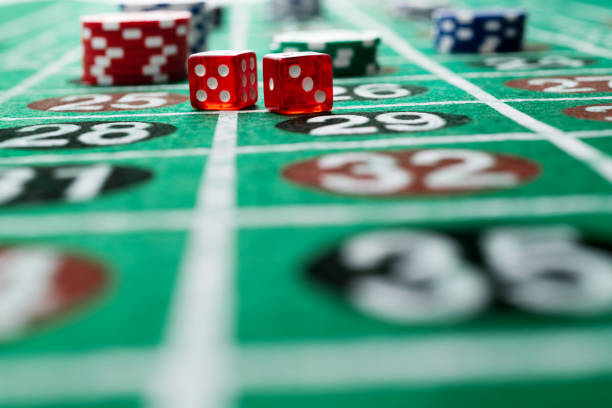
Furthermore, the environment of a casino enhances these cognitive biases. The design of gaming machines and tables often includes bright lights, celebratory sounds, and enticing visuals that reinforce the potential for winning. This sensory overload can overwhelm rational decision-making, leading players to disregard the odds and succumb to their emotional responses instead. In this way, casinos exploit these psychological tendencies, subtly encouraging individuals to take greater risks than they might otherwise be inclined to do.
The impact of loss aversion
Loss aversion is a psychological phenomenon where the pain of losing is felt more acutely than the pleasure of winning. This principle is particularly pronounced in the context of gambling, where potential losses can trigger intense emotional responses. Many players will continue to engage in risky behavior, such as betting larger amounts, in an effort to recoup losses. This compulsion to avoid loss often overshadows the potential for winning, leading to a cycle of irrational risk-taking.
In casinos, the stakes are often intentionally set high to amplify this feeling of loss. When players lose, their emotional response can create a sense of urgency to recover, prompting them to place additional bets. This behavior can lead to significant financial decisions based on the desire to avoid the discomfort associated with loss rather than making calculated, rational choices. The allure of recovery can fortify a player’s commitment to the game, despite potentially damaging consequences.
Moreover, the emotional rollercoaster that comes with gambling heightens the appeal of risk. The highs of winning can create euphoria, while the lows of losing can foster a desire to chase that initial high again. This push and pull between winning and losing engages the full spectrum of emotions, making gambling an enticing challenge. For many, the thrill of overcoming the fear of loss and seeking victory outweighs rational considerations about the risks involved.
The influence of habit and addiction
Habit formation plays a significant role in the psychology of gambling. As individuals repeatedly engage with the casino environment, the brain begins to associate specific cues—like the sounds of the slot machines or the rush of adrenaline—with the behavior of gambling. Over time, these associations can create a habitual response, promoting continued play even in the face of losses. This perspective reveals how the cycle of risk-taking can become ingrained, leading to a habitual return to the casino.
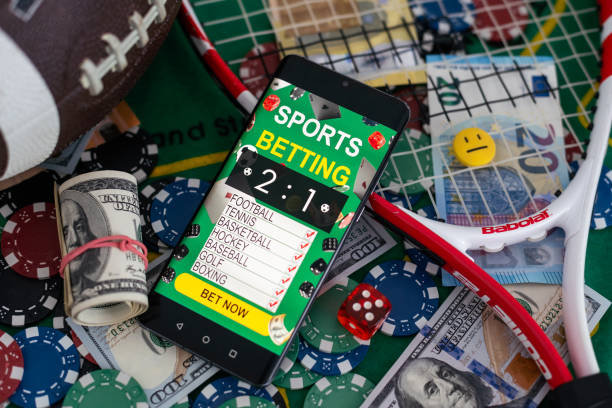
Moreover, the potential for addiction is an essential aspect of understanding why people love casinos. The combination of excitement, social interaction, and the allure of potential rewards can lead some individuals to develop a problematic relationship with gambling. Casino environments are designed to optimize engagement and stimulate play, making it easy for individuals to lose track of time and money. This addictive pull can create a consequential cycle, where risk-taking behavior becomes more than just a choice but a compulsion that is hard to escape.
Additionally, the rewarding nature of gambling can further entrench addictive behaviors. The brain releases dopamine not only when individuals win but also in anticipation of winning. This neurological feedback loop can create a sense of urgency and excitement, driving individuals deeper into habitual risk-taking. Recognizing these patterns is crucial for understanding the psychology behind why we are often drawn to casinos, as they exploit a range of psychological mechanisms that can lead to compulsive behavior.
Exploring responsible gaming
Given the psychological intricacies that draw individuals to casinos, understanding responsible gaming becomes paramount. Promoting awareness of one’s limits and setting personal boundaries can help mitigate the risks associated with gambling. Casinos and gaming organizations are increasingly implementing responsible gaming initiatives, including self-exclusion programs and educational resources, to assist players in recognizing when they may be crossing into risky territory. These measures aim to balance the thrill of gaming with the necessity of accountability.
Engaging in discussions about the psychological aspects of gambling can also foster a greater understanding of responsible play. By raising awareness about the cognitive biases, emotions, and social factors at play, individuals can make more informed decisions about their gambling habits. This knowledge empowers players to appreciate the risk without succumbing to it, encouraging them to view gambling as a form of entertainment rather than a means of making money.
In exploring responsible gaming, it becomes clear that the relationship between humans and casinos is complex. By understanding the psychology of risk and acknowledging the potential pitfalls, individuals can partake in the thrill of gambling while also safeguarding their well-being. This balanced approach encourages a healthier, more enjoyable experience in the dynamic world of casinos.