
Your cart is currently empty!
The allure of gambling: Understanding motivations
Modern casinos are designed to attract and hold players’ attention, leveraging various psychological triggers that draw individuals into the gambling experience. One of the primary motivations behind gambling is the thrill of risk-taking and the potential for financial gain, which can include an instant casino withdrawal time that enhances the excitement of winning. The excitement of placing a bet, coupled with the uncertainty of the outcome, creates an adrenaline rush that is irresistible for many individuals. This emotional high can quickly develop into an addictive cycle, with players often returning in hopes of recapturing that initial exhilarating feeling after significant wins.
Social factors also play a significant role in the allure of gambling. Many people enjoy gambling as a social activity, where they can bond with friends or meet new people in a vibrant atmosphere. Casinos often create environments that foster interaction, with games designed for multiple players and communal spaces for socializing. This aspect enhances the overall experience, transforming gambling from a solitary pursuit into a communal activity that underscores the human need for connection and shared experiences.
Additionally, the psychological concept of variable reinforcement is a significant contributor to the allure of casinos. Unlike consistent rewards, slot machines and other games often offer unpredictable payouts. This inconsistency keeps players engaged, as they remain hopeful that the next round might result in a substantial win. As a result, many gamblers find themselves chasing moments of success, often spending more money and time than they initially intended, driven by the hope of hitting a big jackpot.
The role of environment in gambling behavior
Modern casinos are meticulously designed to enhance the gambling experience, incorporating various environmental elements that influence player behavior. For instance, the use of color, lighting, and sound can significantly affect a gambler’s mood and decision-making processes. Bright, flashing lights and upbeat music create an exhilarating atmosphere that encourages players to stay longer and spend more. This sensory overload distracts players from the potential consequences of their actions, allowing them to lose themselves in the thrill of the moment.
Furthermore, the layout of casinos is strategically planned to guide player flow and maximize engagement. Games are often positioned to encourage movement and exploration, keeping players immersed in the casino’s environment. By creating pathways that lead to additional gaming areas while avoiding direct exits, casinos ensure that players continuously discover new opportunities to gamble. This design manipulates player movement, effectively keeping them inside the casino longer and, ultimately, increasing their likelihood of spending more money.

The scent of casinos is another factor influencing gambling behavior. Studies have shown that specific fragrances can trigger emotional responses and even increase the time spent in a gaming area. Casinos often use pleasant, subtle scents to create a welcoming environment, enhancing the overall experience and encouraging repeat visits. The psychological impact of such carefully curated environments is profound, as they exploit human tendencies to engage with pleasurable stimuli, reinforcing gambling behaviors and encouraging players to return for more experiences.
Risk perception and cognitive biases in gambling
Risk perception is a crucial factor in gambling psychology, as individuals differ in how they assess potential losses and gains. Many gamblers exhibit cognitive biases that distort their understanding of odds and probabilities, often leading them to overestimate their chances of winning. For instance, the gambler’s fallacy is a common bias where individuals believe that past events influence future outcomes, leading them to make irrational betting decisions based on superstition or perceived patterns. This misjudgment can lead to significant losses as players continue to gamble despite unfavorable odds.
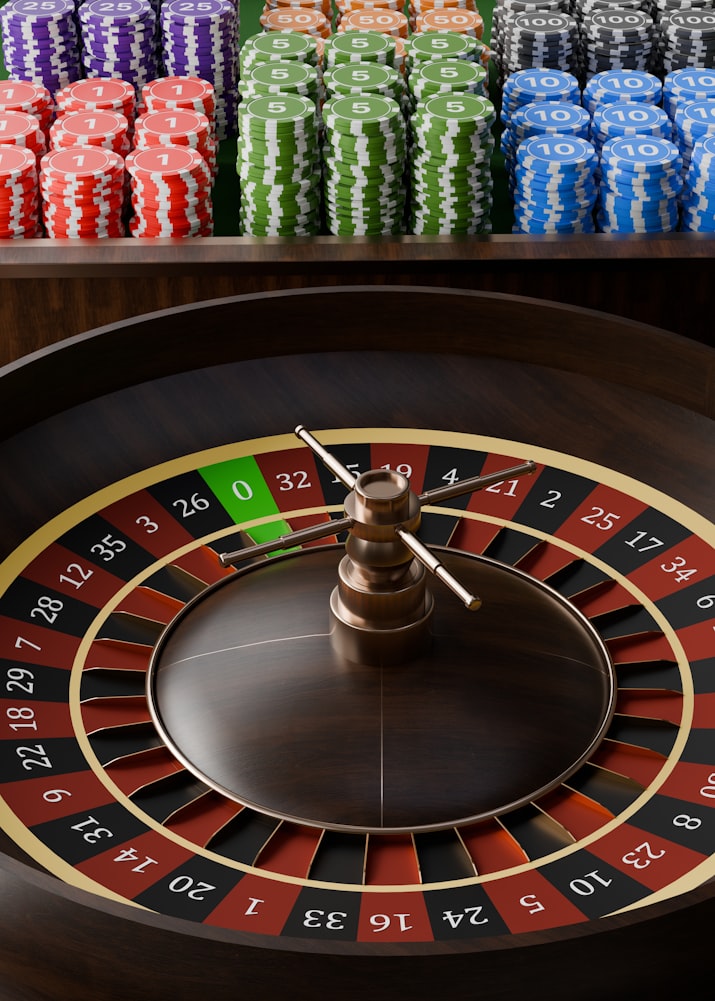
Another cognitive bias prevalent in gambling is the illusion of control, where players believe they can influence the outcome of random events. This can be observed in games of chance, such as dice or roulette, where players may engage in specific rituals or strategies they believe will affect the game’s result. This sense of control provides comfort and enhances the gambling experience, as individuals feel empowered by their actions, even when the outcomes are entirely random and beyond their influence.
Understanding these cognitive biases is essential for anyone exploring the psychology of gambling. By recognizing the inherent flaws in their reasoning, gamblers may become more aware of their decision-making processes and make more informed choices. However, the compelling nature of these biases often serves to entrench players deeper into their gambling habits, complicating their ability to step back and reassess their approach to gaming in a more rational manner.
Emotional and psychological impacts of gambling
The emotional impacts of gambling can be significant, ranging from exhilaration to devastating loss. While many individuals enjoy gambling within their means, others may experience negative consequences that affect their mental health and overall well-being. Frequent gamblers may develop anxiety, depression, or other psychological disorders, particularly if they experience financial distress or strained relationships due to their gambling habits. The emotional toll can be severe, impacting not only the individual but also their loved ones.
Moreover, the highs of winning can easily be followed by the lows of losing, creating a cycle of emotional fluctuation that often leads to problematic behaviors. The excitement during a win can create a false sense of security, encouraging continuous gambling in an attempt to recapture those feelings. This cycle can be particularly harmful, with the emotional roller coaster associated with gambling contributing to poor decision-making and impulsiveness, which can further exacerbate their financial and emotional distress.
Furthermore, modern gambling environments often lack built-in safeguards to help mitigate the emotional impact of loss. While some casinos may offer resources for responsible gambling, their primary focus remains on attracting players rather than providing meaningful support. This environment can exacerbate feelings of shame or guilt among gamblers, complicating their relationship with gambling and potentially leading them to isolate themselves as they struggle with their emotions and the fallout from their gambling behavior.
Resources for understanding gambling psychology
For those interested in exploring the psychology of gambling further, various resources are available to deepen understanding and promote responsible gaming practices. Educational platforms offer insights into cognitive biases, emotional responses, and the psychological effects of gambling, providing players and professionals with valuable information. These resources can help individuals recognize the potential influences on their gambling behaviors and learn how to manage them effectively, fostering a more mindful approach to gaming.
Moreover, support organizations provide guidance for those struggling with gambling-related issues. These organizations typically offer counseling, educational materials, and workshops to assist individuals in understanding and overcoming their gambling challenges. By fostering awareness and offering strategies for healthier behaviors, these resources play a crucial role in helping individuals regain control over their gambling activities and mitigate the risks associated with excessive gambling.
In conclusion, the psychology of gambling in modern casinos is a multi-faceted subject that intertwines behavioral science, cognitive biases, and emotional health. Understanding these aspects can empower players to make informed decisions, enjoy gambling responsibly, and recognize when to seek help if their behavior becomes detrimental. Engaging with available resources for education and support can contribute to a more conscious and healthy relationship with gambling, ultimately leading to a more enjoyable experience in the gaming environment.